


Biblical Archaeology Review, Summer 2026
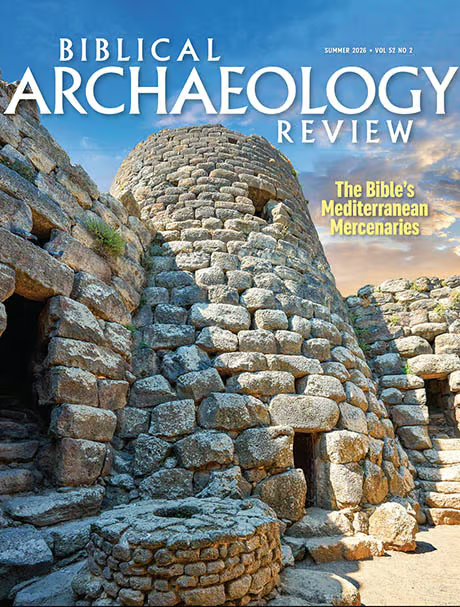
The Summer 2026 issue of Biblical Archaeology Review explores the complexities behind the peoples and stories of the Bible. In “Mediterranean Mercenaries of the Bronze Age,” discover ancient Sardinia’s roaming warriors, the Shardanu, who created a mercenary tradition later followed by the Philistines and even King David. In “Sacred Center,” journey to the biblical site of Ataroth in Moab to excavate a unique temple complex that may have been destroyed during King Mesha’s rebellion against Israel. Travel north to the rugged highlands of the Aleppo Plateau to explore “The Dead Cities of Christian Syria,” where some of the Middle East’s earliest Christian communities flourished. And in “Sublime Sanctuary,” dive into the Dead Sea Scrolls to learn how early Jews envisioned the ideal Jerusalem Temple and its role within the sacred city.
In Strata and Epistles, visit ancient Ephesus to study the domestic shrines that adorned everyday Roman homes and how their ubiquitous presence may have impacted Paul’s message. Examine the plethora of Byzantine churches discovered in towns and villages across the southern Levant and what this abundance may suggest about the social and religious rivalries of the day. Take a second look at the story of Mary and Joseph in light of Judean marriage practices to learn why the Holy Family was likely more complex than many Bible readers appreciate. And venture into Turkey’s mountainous interior to uncover new evidence that explains why Paul trekked to the small Roman town of Pisidian Antioch during his first missionary journey.
Visit us online, at Bible History Daily, to see the latest news in biblical archaeology or to delve into additional articles, eBooks, and videos about key Bible and archaeology topics. In the Summer issue’s Web Exclusive, investigate the mysterious statues from the Sardinian site of Mont’e Prama and what they reveal about the warrior cultures of the ancient Mediterranean. All-Access Members can explore the BAS Library, which features every article ever published in Biblical Archaeology Review, Bible Review, and Archaeology Odyssey, as well as Special Collections of articles curated by BAR editors.
Features
The Dead Cities of Christian Syria
Sandra Scham
Under Roman and Byzantine rule, ancient Syria became the first predominantly Christian province in the Middle East. Between the fourth and seventh centuries, many of the region’s Christian communities shared in a distinctive religious, literary, and architectural culture. Now abandoned and dubbed the “Dead Cities,” copious stone-built towns and villages on the Aleppo Plateau in northwest Syria bear witness to that glorious past.
Sacred Center: The Iron Age Temple at Biblical Ataroth
Chang-Ho Ji and Aaron Schade
Situated on a high ridge with a commanding view of the Dead Sea, the Jordanian site of Khirbat Ataruz (biblical Ataroth) was a prominent sacred center during the time of the Israelite and Moabite kingdoms. Join archaeologists as they uncover this remarka-ble Iron Age temple complex, including traces of its sacred cult and a tantalizing inscription that may hint at a dramatic battle between Israel and Moab that was remembered in the Hebrew Bible.
Mediterranean Mercenaries of the Bronze Age
Aaron A. Burke
For thousands of years, mercenaries routinely fought in the armies of competing powers and kingdoms across the ancient Mediterranean world. Even the biblical David sold his sword to the Philistines before becoming king of Israel. Explore the Shardanu, some of the best-known warriors of the Bronze Age, and what archaeology reveals about the critical role such mercenaries played in shaping the fates of civilizations.
Sublime Sanctuary: The Jerusalem Temple in the Dead Sea Scrolls
Lawrence H. Schiffman
Whether imagined as the future sanctuary of the people of Israel or as a grand sacred domain in the eschatological world to come, the Jerusalem Temple captivated authors in the biblical and postbiblical periods alike. But the specific details of its form and construction were not settled. In the Dead Sea Scrolls, we encounter two unique, detailed models for how the future Temple should be built.
Departments
Strata
Uncovering Jerusalem’s First Wall
Who Did It?
Cryptic Qumran Code Broken?
Where Is It?
Byblos, the Eternal City
Nebuchadnezzar the Builder
Mysterious Menorah Pendant
Milestone: Gabriel Barkay (1944–2026)
Archaeology Argot: Numismatics
Classical Corner: Household Shrines at Ephesus
Going, Going, Gone: Gaza’s Catastrophic Loss
Test Kitchen: Roman Dill Sauce
Why Did Early Christians Build So Many Churches?
Book Review: How Rabbis Became Experts
World Wonders: Kerak Castle
Epistles
Why Did Paul Go to Pisidian Antioch?
Biblical Profile: Was Mary a Second Wife?
Whence-a-Word?: “We Reap What We Sow”
Text Treasures: Gezer Calendar
Biblical Bestiary: Owl
Plus
Digging In
Queries & Comments
Authors
Caption Contest
Web Exclusive
Sardinia’s Warrior Giants
More Queries & Comments
Current Issue

Must-Read Free eBooks

Other Magazine Highlights

Vol. 49
Jesus in the Synagogue

Vol. 49
Who Lived at Hazor?

Unlock Unlimited Access to the Bible's Past

Unlock Unlimited Access to the Bible's Past
Become an All-Access Member to explore the Bible's rich history. Get Biblical Archaeology Review in print, full online access, and FREE online talks. Plus, enjoy special Travel/Study discounts. Don't miss out—begin your journey today!
